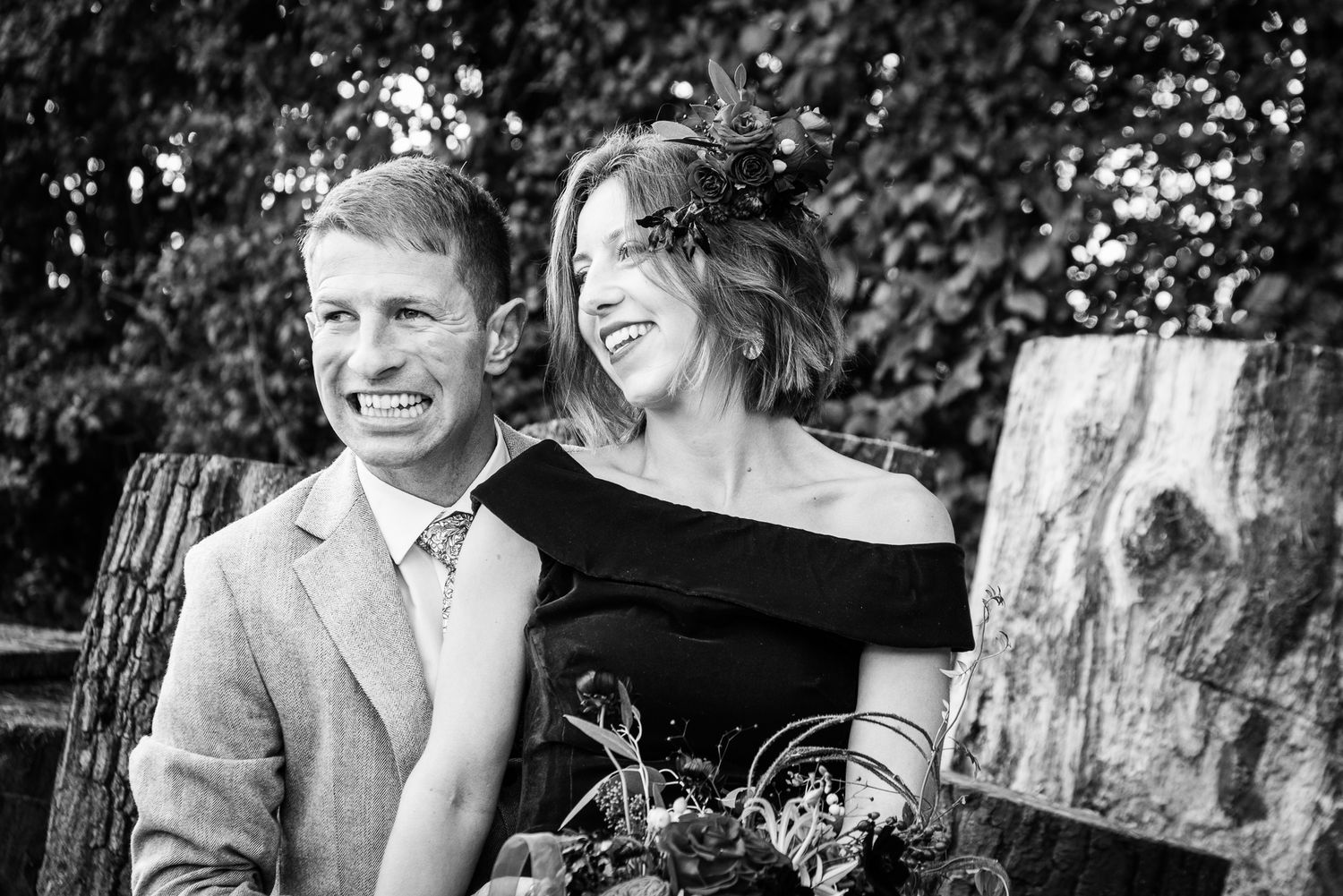
How Much Should You Spend on Wedding Photography?
By Martin Sudbury
Of all the lines in your wedding budget spreadsheet, photography is often the one that sparks the most intense debate. You will hear vast, conflicting opinions: your venue might suggest a baseline, your newly-married friends might shock you with what they spent, and internet forums are filled with wildly different quotes.
So, how do you discover the right figure for your wedding?
Unlike catering or floristry, where costs scale predictably with guest counts or table arrangements, photography pricing can feel frustratingly subjective. However, when you invest in wedding photography, you aren't just paying for a person to stand in a room with a camera for eight hours. You are investing in a visual legacy, art school-refined composition, technical mastery, and the profound peace of mind that a fleeting, once-in-a-lifetime moment will be captured beautifully.
Let’s pull back the curtain on how photography pricing works and how much you should realistically allocate.
The Industry Benchmark: The 10-15% Rule
As a standard industry baseline, wedding planners typically recommend allocating 10% to 15% of your total wedding budget specifically to photography and videography.
For example, if your total wedding expenditure is £30,000, a standard photography investment should ideally sit between £3,000 and £4,500. If memories, professional imagery, and a relaxed, candid experience are your absolute highest priorities, it is incredibly common to see couples stretch this to 20% or more by scaling back on ephemeral details like expensive favors or excessive single-use decor.
The Wedding Photography Pricing Spectrum
Budget / Entry Level
£500 – £1,000 Often students, new professionals building a portfolio, or part-time hobbyists. Likely shooting with entry-level gear, single memory card slots (no immediate back-up), and limited wedding-specific experience.
Mid-Range / Competent
£1,000 – £1,800 Established regional photographers. They possess solid technical knowledge, reliable mid-tier equipment, a consistent editing style, and a few years of wedding experience.
Professional / Premium
£1,800 – £3,500 The sweet spot for full-time professionals. Expect over a decade of experience, art-school levels of lighting mastery, high-end dual-card backup bodies, comprehensive insurance, and a distinct editorial or documentary-led storytelling style.
Luxury / Fine Art
£3,500 – £6,000+ Multi-award-winning, internationally published photographers. Typically involves bespoke styling, high-end film photography alongside digital, multiple assistants, and extensive destination travel.
What Are You Actually Paying For?
When looking at a professional quote, it helps to understand exactly what hidden costs, training, and expertise are baked into that final number:
- Experience and Crisis Management: A veteran photographer who has documented hundreds of weddings knows exactly what to do when a sudden summer downpour forces everything indoors, when the timeline runs an hour late, or when historical churches feature incredibly dim, challenging lighting.
- Equipment Redundancy: Professionals don’t just carry one good camera. They carry multiple pro-grade bodies, a suite of prime lenses, and redundant memory cards so your images are written to two places simultaneously as they shoot. If a piece of kit fails mid-ceremony, a second camera is already around their shoulder.
- The Digital Darkroom: For an 8-hour wedding day, a photographer might take 2,000 to 3,000 raw frames. The real work begins after the wedding: sorting, hand-selecting, color-correcting, and editing down to a curated gallery of 400–600 exquisite images. This post-production process easily takes 30 to 40 hours of focused labor per wedding.
- Business Sustainability: Fully legal, insured professionals carry public liability and professional indemnity insurance. They invest in secure, long-term cloud backups, carbon-offsetting initiatives, and professional-grade editing suites to run an ethical, sustainable practice year after year.
A Note on "Cheap" Photography
A camera in the hands of an amateur is a liability on a wedding day. There are no re-shoots for the first kiss, the tear in a parent’s eye, or the unscripted laughter during the speeches. If a price seems too good to be true, ask yourself what compromises are being made on equipment backups, liability insurance, or raw experience.
How to Maximize Your Photography Budget
If your ideal photographer feels slightly out of reach, don’t sacrifice quality by hiring someone cheaper and less experienced. Instead, try these strategic adjustments:
- Opt for Off-Peak Dates: Choosing a weekday (Monday through Thursday) or marrying during the shoulder months (late autumn or early spring) can sometimes open up flexible package pricing or custom short-coverage options.
- Reduce the Hours of Coverage: If you don’t necessarily need the wild dance floor shenanigans at midnight captured, ask for a partial-day package (e.g., 6 hours instead of 10) that covers from prep through to the first dance.
- Delay the Physical Album: Focus your immediate budget on securing the absolute best talent and the high-resolution digital files. You can always commission a premium, heirloom-quality album for your first anniversary when your wedding savings have replenished.
The Verdict
Years after the cake has been eaten, the dress safely boxed away, and the flowers have faded, your photographs will remain as the tangible window back to how your day felt. They are an investment that continuously gains value over time, becoming more precious with every passing decade.
Buy the best photography you can reasonably afford. Choose someone whose style resonates with your soul—whether that is clean editorial portraits or unscripted, candid documentary storytelling—and whose personality makes you feel entirely at ease. It is an investment you will never regret.